
Quick answer: Yes, Morocco is generally a safe country for tourists and welcomes millions of visitors every year. Violent crime against travellers is rare; the most common problems are petty theft, persistent touts and small scams in busy medinas, which are easy to avoid with a few simple precautions.
“Is Morocco safe?” is the question we hear most from first-time visitors. As a local agency guiding travellers every day, we want to give you an honest answer – not a sales pitch. Always also check your government’s official advice, such as the UK Foreign Office page for Morocco.
General safety in Morocco
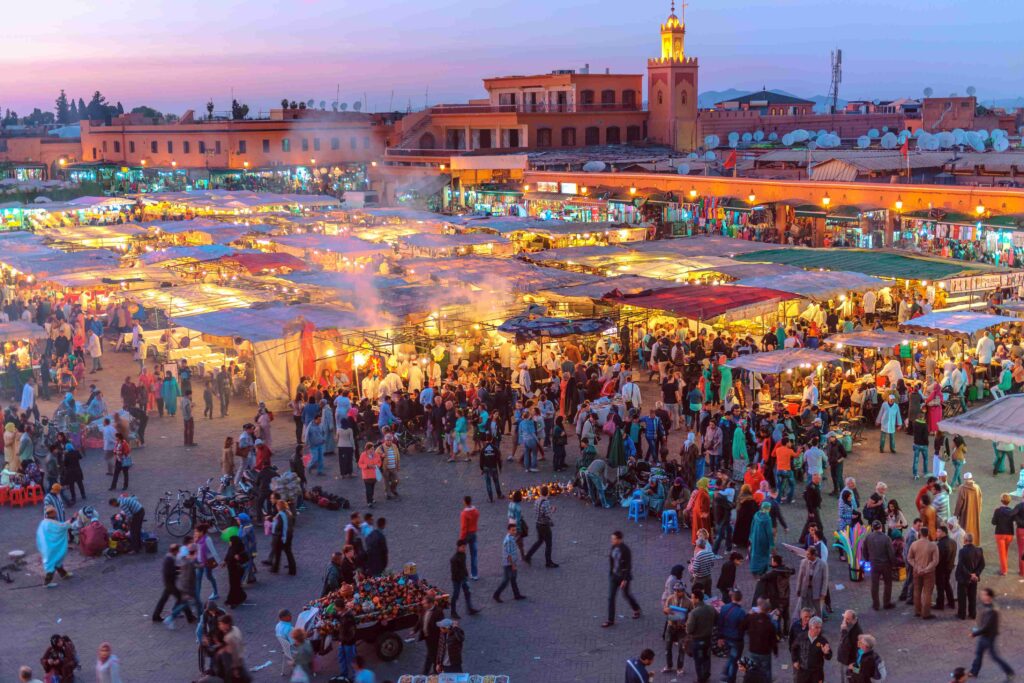
Morocco is a stable country with a visible police presence in tourist areas, including a dedicated tourist police in Marrakech, Fez and other big cities. Most visitors never experience anything more serious than a pushy seller. Like in any big European city, pickpocketing can happen in crowded places such as Jemaa el-Fna.
Common scams and how to avoid them
- “The road is closed” / fake guides: someone tells you the way is blocked and offers to lead you – politely decline and use offline maps.
- Henna and photo charges: agree on the price before any henna or photo with snake charmers.
- Taxis without meter: insist on the meter in cities or agree the price first; for airports, pre-book a private transfer.
- Tannery “free visit”: in Fez, go with a licensed guide – read things to do in Fes.
Is Morocco safe for women and solo travellers?
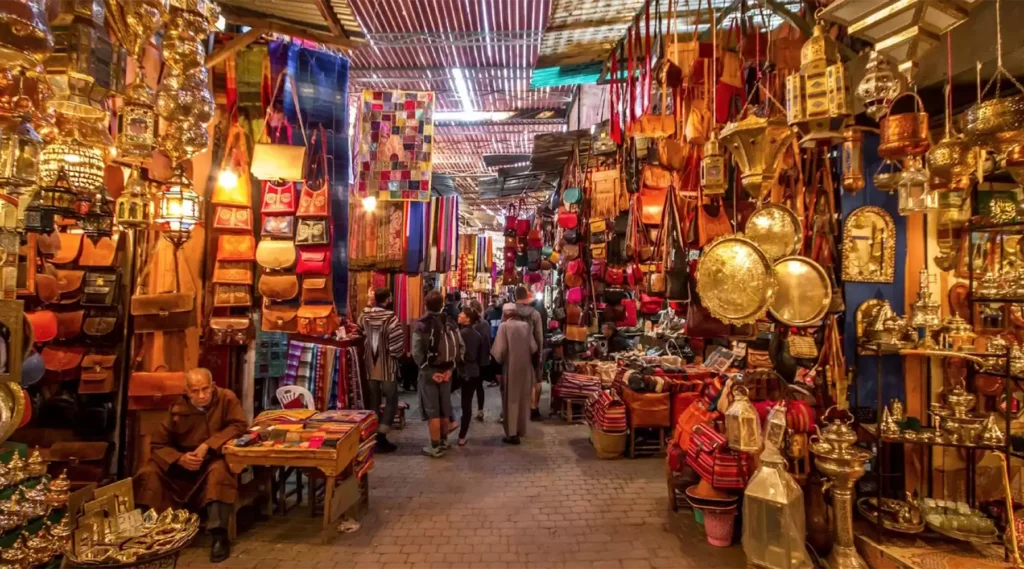
Many women travel in Morocco alone or in pairs. Expect comments or attention in medinas; ignoring them and walking confidently works best. Dressing modestly reduces unwanted attention (see what to wear in Morocco). A private driver or guided tour is a comfortable option for solo travellers who want to relax.
Safety on the road and in the desert
Road accidents are a bigger risk than crime. Mountain roads are winding and night driving is not recommended. Using an experienced local driver on a tour like our 7-day Morocco tour removes most of that stress. In the Sahara, reputable camps have staff all night and the camel treks are led by guides.
Health and food safety
- Drink bottled or filtered water.
- Street food is generally fine where locals queue and food is cooked in front of you.
- Travel insurance with medical cover is highly recommended; private clinics in big cities are good.
Our 8 golden rules
- Keep phones and wallets in front pockets.
- Carry small change in dirhams.
- Agree prices before any service.
- Use licensed guides (they carry an official badge).
- Avoid empty alleys late at night.
- Don’t drive at night in the mountains.
- Respect local customs, especially during Ramadan.
- Save your riad’s phone number and location.
More practical advice in our Morocco travel tips article.
Tours related to this guide
- Private Guided Tour Of Marrakech – Discover The Imperial City
- 7-Day Tour – Explore Key Highlights: Marrakech, Desert, Fez and Chefchaouen
- Marrakech Airport Transfer
Want a trip built around your dates? Ask for a free tailor-made itinerary →
Frequently asked questions
Is Morocco safe to visit right now?
Morocco is considered safe for tourists and receives millions of visitors each year. Check your government’s travel advice before departure for the latest information.
Is Marrakech safe at night?
The main areas such as Jemaa el-Fna, Gueliz and Hivernage are busy and safe in the evening. Avoid deserted alleys late at night and keep valuables out of sight.
Is Morocco safe for solo female travellers?
Yes, many women travel solo in Morocco. Expect some attention in medinas; modest clothing, confidence and using licensed guides or private drivers help a lot.
What are the most common scams in Morocco?
Fake guides, unagreed prices for henna or photos, taxis without meters and commission-driven shop visits. Agree prices first and use licensed guides.
Written by the Todo Marruecos Tours travel team, local tour operators based in Morocco. Last updated: September 2026.